


 The hearing in the North Orange County Community College District Measure J case is slated to be heard this morning. After the initial count showed Measure J winning by a very narrow margin (34 “yes” votes need to be tossed for J to fail), Opponents of Measure J launched a recount in order to examine the provisional ballots cast in the election. Measure J is a $574 million bond measure.
They found 42 provisional ballots that weren’t signed by the voter and “identified hundreds of signatures [on absentee and provisional ballots] that a reasonable person could not identify as similar to the signature on the voter registration card.”
With a four-year-old state law making it harder to toss ballots in a recount, very few recounts (if any) have overturned the results of an election in California. Indeed, in Orange County, no recount since then has managed to change any winner’s vote margin.
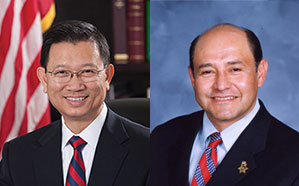
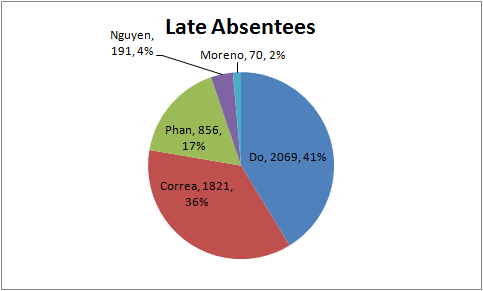
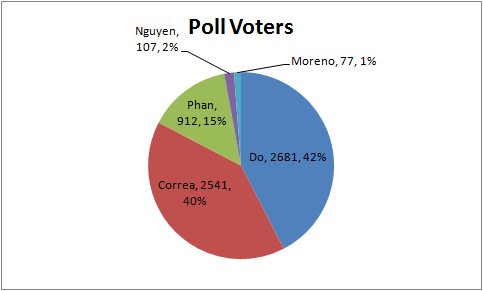
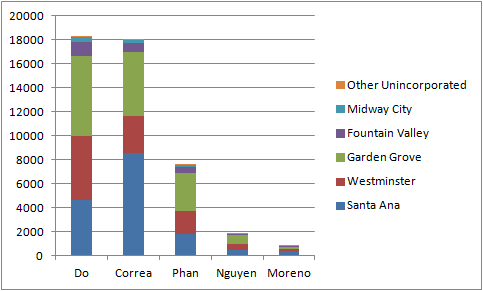
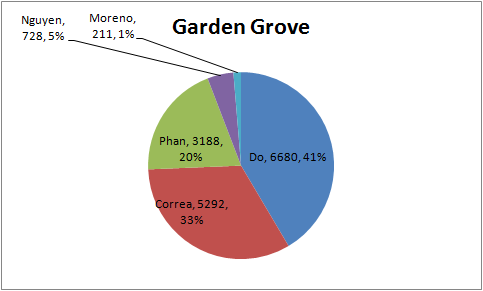
Former Senator Lou Correa has not yet filed his lawsuit in the First Supervisorial District Special Election, but I would suspect that is because his camp is keeping a close eye on the Measure J hearing. When not even a single vote changed in the recount, leaving Andrew Do in office as the new Supervisor, Correa switched to examining provisional ballots (i.e. the Measure J opponents’ strategy).
If the Measure J opponents prove wildly successful in tossing ballots, that’d be a good sign for Correa. If the Measure J opponents fail to toss ballots, that’d be a bad sign for Correa. If Measure J opponents barely prevail in that ballot tossing effort, then Correa’s camp needs to carefully scrutinize whether they have enough ballots to toss to make a difference. Measure J opponents only need to toss 34 ballots out of 154,118 cast. Correa needs to toss 43 ballots out of 48,339 cast (technically, 48,626 ballots were cast in the First Supervisorial District Special Election, but those 287 voters who cast blank ballots aren’t likely to matter; had a bunch of them been Correa undervotes, we would have heard about it by now).

 OC Political